
You know that a bedtime bath is "good for kids" — but do you know why? And more importantly, do you know the right temperature, the right duration, and what kind of bath additive is actually safe to use?
Most parents go by feel: "warm enough is fine," "until they want to get out," or "the kids' bath product from the supermarket should be okay." But science gives us a more precise answer — and one that's easier to apply than you might think.
This guide combines current sleep science research, pediatric recommendations, and a clear breakdown of natural vs. conventional children's bath additives — everything a parent needs in one place.
Why Does Bedtime Bathing Actually Work? It Starts with Body Temperature
The reason kids fall asleep so easily after a warm bath isn't coincidence. It's driven by a mechanism called Passive Body Heating.
Here's how it works: when the body is immersed in 38–40°C water, core body temperature rises slightly. Once out of the tub, the body's cooling mechanisms activate, causing core temperature to drop relatively quickly. This "rise then fall" curve closely mirrors the natural body temperature change the brain uses as a signal to initiate deep sleep.
In short: a warm bath essentially fast-tracks your child's body into sleep-ready mode.
Timing matters, too. Research suggests bathing 60–90 minutes before bedtime gives the body enough time to complete the cooling curve, maximizing the sleep-onset benefit.
What Temperature Is Best? The Safe Range for Children
This is where many parents get it wrong: hotter does not mean more effective — especially for children.
Recommended bath temperature for children: 38–40°C (100–104°F)
- 38°C (100°F): Gentle and comfortable; ideal for children under 6 or those with sensitive skin
- 39–40°C (102–104°F): Sufficient to trigger the body-heating mechanism; appropriate for school-age children (6+)
- Above 41°C (106°F): May cause excessive peripheral vasodilation and increased heart rate, putting unnecessary strain on a child's cardiovascular system
A simple check: dip your elbow into the water. If it feels "warm but not hot," you're likely in the right range. A bath thermometer is even more reliable — and worth the small investment.
Safety note: Children under 6, those with cardiovascular conditions, or children with a fever should avoid bathing. Consult a pediatrician before use.
How Long Is Enough? 10 Minutes vs. 20 Minutes
For children, 10–15 minutes is the optimal window.
- Under 10 minutes: Core temperature rise is insufficient; parasympathetic activation is limited
- 10–15 minutes: Core temperature rises meaningfully; post-bath cooling curve is clear; supports relaxed, faster sleep onset
- Over 20 minutes: Risk of skin moisture loss increases; prolonged exposure can stress a child's more delicate skin barrier
Remember the formula: 10–15 minutes at 38–40°C. That's the science-backed sweet spot for a children's bedtime bath.
The Parasympathetic Nervous System: Why Kids Fall Asleep So Quickly After a Bath
Warm water does more than regulate temperature — it also gently stimulates the vagus nerve, activating the parasympathetic nervous system.
The parasympathetic system is the body's "rest and digest" switch. When activated, heart rate slows, breathing deepens, the digestive system relaxes, and the body shifts from daytime "alert mode" into nighttime "repair mode." For children who spend the day in high-stimulation environments — school, sports, social interaction — this neurological switch doesn't always happen automatically when they hit the pillow.
A warm bath provides a reliable, gentle signal that tells the nervous system: it's time to rest now. That's why children who bathe regularly before bed tend to fall asleep faster and stay asleep more deeply.
Choosing a Children's Bath Additive: Natural vs. Conventional Products
This is a step many parents haven't thought carefully about. The children's bath additive market is crowded — and ingredient quality varies enormously.
What to Watch Out for in Conventional Bath Additives
Many commercial children's bath products are primarily composed of:
- Synthetic fragrances: May irritate children's still-developing skin barriers
- Artificial dyes: No functional benefit; purely cosmetic, with potential sensitivity risks
- Chemical foaming agents (SLS / SLES): Long-term use may strip the skin's natural protective oils
- Preservatives (parabens): Some research suggests cumulative irritation risk for children's skin
When choosing a bath additive for children: fewer ingredients, more natural sourcing — always.
Why Natural Mineral Bath Additives Are Different
Natural mineral-based children's bath additives — such as genuine hot spring powder — operate on a fundamentally different principle:
- Primary components are natural mineral ions (calcium, magnesium, sulfate, etc.) — no synthetic fragrances or dyes
- Minerals dissolve naturally in warm water; no foaming agents required
- The bath water closely resembles the mineral composition of natural hot spring water
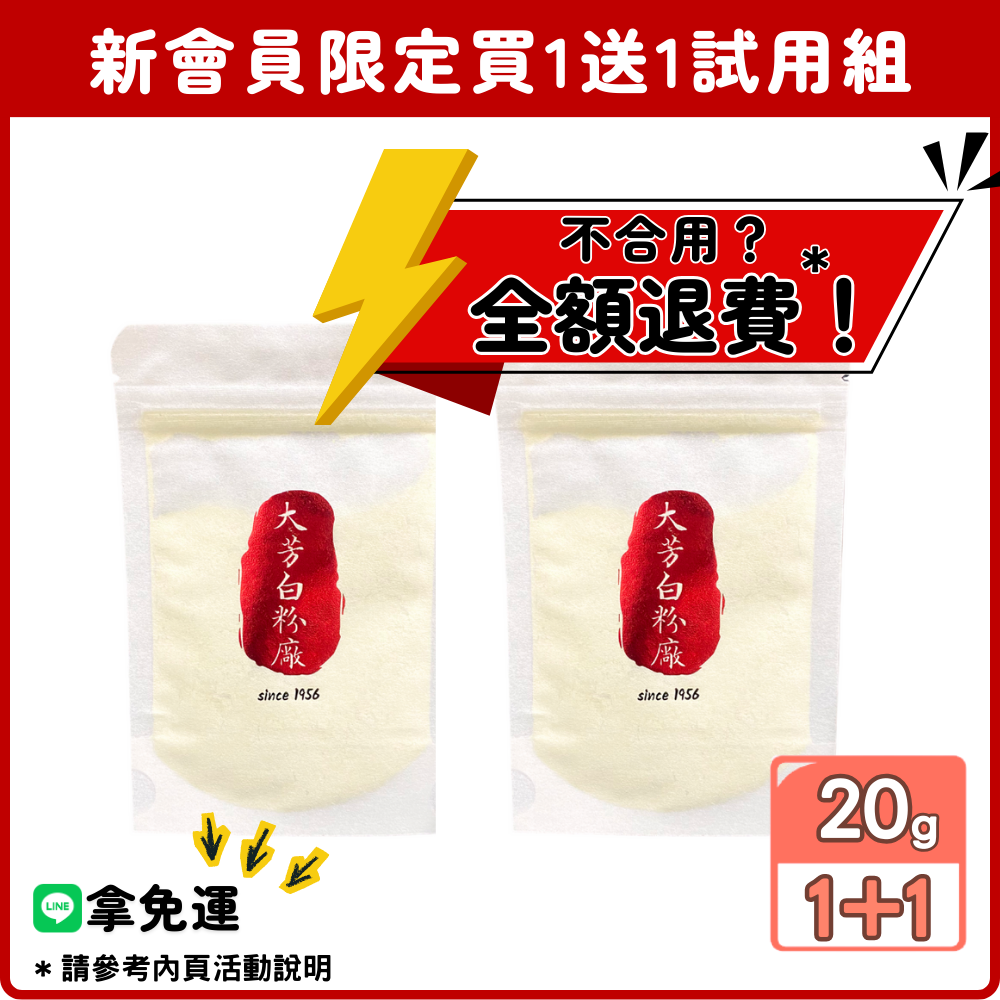
DaFang 1956's Beitou White Sulfur Hot Spring Powder is extracted from the natural mineral deposits of Beitou's White Sulfur spring — no added fragrances, dyes, or foaming agents. As a natural children's bath additive, ingredient transparency is the most important criterion, and this product meets it.
Safe-Use SOP for Children: White Sulfur Natural Bath Additive
Step 1 | Confirm water temperature (38–40°C / 100–104°F)Use a thermometer. Young children cannot accurately report discomfort, so "they didn't say it was hot" is not a reliable safety check.
Step 2 | Add the natural bath additiveFor DaFang White Sulfur Hot Spring Powder: use 3–5 grams in a standard tub (~200 liters) — lower than the adult recommended dose. The water will take on a subtle mineral milky tone — this is the natural appearance of dissolved white sulfur minerals.
Step 3 | Bathe together, keep it to 10–15 minutesDo not leave children unattended in the bath. Beyond safety, parent-child bathing time also reinforces the bedtime ritual association.
Step 4 | Rinse gently, hydrate afterGive children 100–200ml of room-temperature water. Pat skin dry gently — avoid vigorous rubbing — to help maintain the skin's moisture barrier.
Step 5 | Wind down within 30 minutesThe optimal sleep-onset window is 30–60 minutes after leaving the bath. Minimize screen exposure during this time and let the parasympathetic system continue its work.
Scientific References
Reference 1
Chinese Title:《睡前被動體熱暴露(淋浴或泡澡)與睡眠改善:系統性回顧與元分析》English Title: Before-Bedtime Passive Body Heating by Warm Shower or Bath to Improve Sleep: A Systematic and Meta-Analytic ReviewSource: Sleep Medicine Reviews, Volume 46 (2019), Haghayegh S, et al.Summary: This meta-analysis of 13 randomized controlled studies found that warm water immersion at 40–42.5°C for at least 10 minutes, performed 1–2 hours before sleep, significantly reduced sleep onset latency and improved both subjective and objective sleep quality scores. The primary mechanism identified was an accelerated decline in core body temperature following warm-water exposure, aligning with the body's natural sleep-initiation rhythm.
Reference 2
Chinese Title:《溫熱足浴對睡眠品質及自律神經活性的影響》English Title: Effects of Bathing and Hot Footbath on Sleep in WinterSource: Journal of Physiological Anthropology, Volume 19 (2000), Sung EJ & Tochihara Y.Summary: This study compared sleep parameters between participants who performed a warm footbath before sleep versus a control group. Results showed significantly elevated parasympathetic nervous activity, shortened sleep latency, and a trend toward increased deep-sleep proportion in the footbath group, with researchers identifying parasympathetic activation as the primary intervention mechanism.
FAQ — Frequently Asked Questions
Q1: From what age can children use natural bath additives (hot spring powder)?Natural mineral bath additives are generally suitable for children aged 1 and above, at a lower concentration than the adult dose. Infants under 1 have incompletely developed skin barriers; consult a pediatrician before use. For any new bath additive, a first-use test of 5 minutes at reduced concentration is recommended to observe skin response.
Q2: My child has dry or sensitive skin — is a natural bath additive safe?Natural mineral bath additives contain no synthetic foaming agents or artificial fragrances, making them typically less irritating than conventional bath products for dry or sensitive skin. DaFang's white sulfur powder is primarily composed of calcium and magnesium mineral ions, producing water similar in composition to natural mineral spring water. First-time use: try half the standard dose for a shorter duration, and check for any skin reaction (redness, itching) before regular use.
Q3: My child resists baths. How do I build a bedtime bath habit?Consistency matters more than any single session. Try turning bath time into a parent-child ritual rather than a hygiene task — let children pour the bath additive powder in themselves and watch the water change. After 2–3 weeks of consistent nightly bathing, the body begins to associate the ritual with sleep preparation, creating a natural biological cue.
Q4: What's the biggest difference between a natural bath additive and a conventional one?The fundamental difference is ingredient philosophy. Most commercial children's bath additives are built around fragrances, colors, and foaming agents to create a sensory experience. Natural mineral bath additives (like white sulfur hot spring powder) rely on mineral ions as the functional ingredient — no fragrance, no dye, with full ingredient transparency. When evaluating any children's bath additive, check the ingredient list: the shorter and more natural it is, the more trustworthy.
Q5: Will daily bathing dry out my child's skin?With water temperature at or below 40°C and bathing time within 15 minutes, daily bathing does not cause excessive dryness for children with normal skin. Pat skin dry gently after bathing — avoid rubbing — and apply a small amount of moisturizer to prone-to-dryness areas like elbows and knees if needed. Children with atopic dermatitis (eczema) should follow their dermatologist's individualized guidance.
Closing
Helping children sleep well is one of the most meaningful gifts a parent can give. A bedtime bath isn't just about cleanliness — it's a scientifically grounded physiological reset ritual. The right temperature, the right duration, and the right natural bath additive make those 15 minutes genuinely count.
Beitou White Sulfur — from 1956 to today, Taiwan's most natural mineral bathing tradition. Now available to bring into your bathroom, every night.
Further Reading
- Pediatrician Reveals: Can Bathing Before Bed Help Children Grow Taller?
- What to Eat After a White Sulfur Bath? 7-Eleven Post-Soak Shopping Guide × Science-Based Nutrition
- ACSM 2026 Report: The 20 Minutes After Your Workout Determine Your Next 48 Hours of Recovery
References
- Haghayegh S, et al. (2019). Before-Bedtime Passive Body Heating by Warm Shower or Bath to Improve Sleep. Sleep Medicine Reviews, 46, 124-135.
- Sung EJ, Tochihara Y. (2000). Effects of Bathing and Hot Footbath on Sleep in Winter. Journal of Physiological Anthropology, 19(1), 21-27.
#DaFang1956 #BeitouHotSpring #NaturalBathAdditive #ChildrenBathAdditive #KidsBathProduct #NaturalKidsBath #ChildrenBathTemperature #BedtimeBath #KidsSleep #DeepSleepChildren #ParasympatheticNervousSystem #SleepScience #ChildSleep #NaturalMineralBath #WhiteSulfurHotSpring #TaiwanMade #HotSpringPowder #SafeBathAdditiveKids #ParentingScience #FamilyBathTime #KidsBedtimeRoutine #SleepRoutineKids #NaturalParenting #MineralBathKids #BathAdditiveReview #ChildrenSkincare #NaturalIngredients #BeitouWhiteSulfur #KidsBathSafety
DaFang 1956 — Beitou White Sulfur Hot Spring Powder | Made in Taiwan